
Global value chains (GVCs) have shown resilience and adaptability in the face of recent global challenges, according to a new report launched in Geneva. The "GVC Development Report 2025: Rewiring GVCs in a Changing Global Economy" highlights that while the share of GVC trade in global commerce has slightly decreased from its 2022 peak, it remains significant.
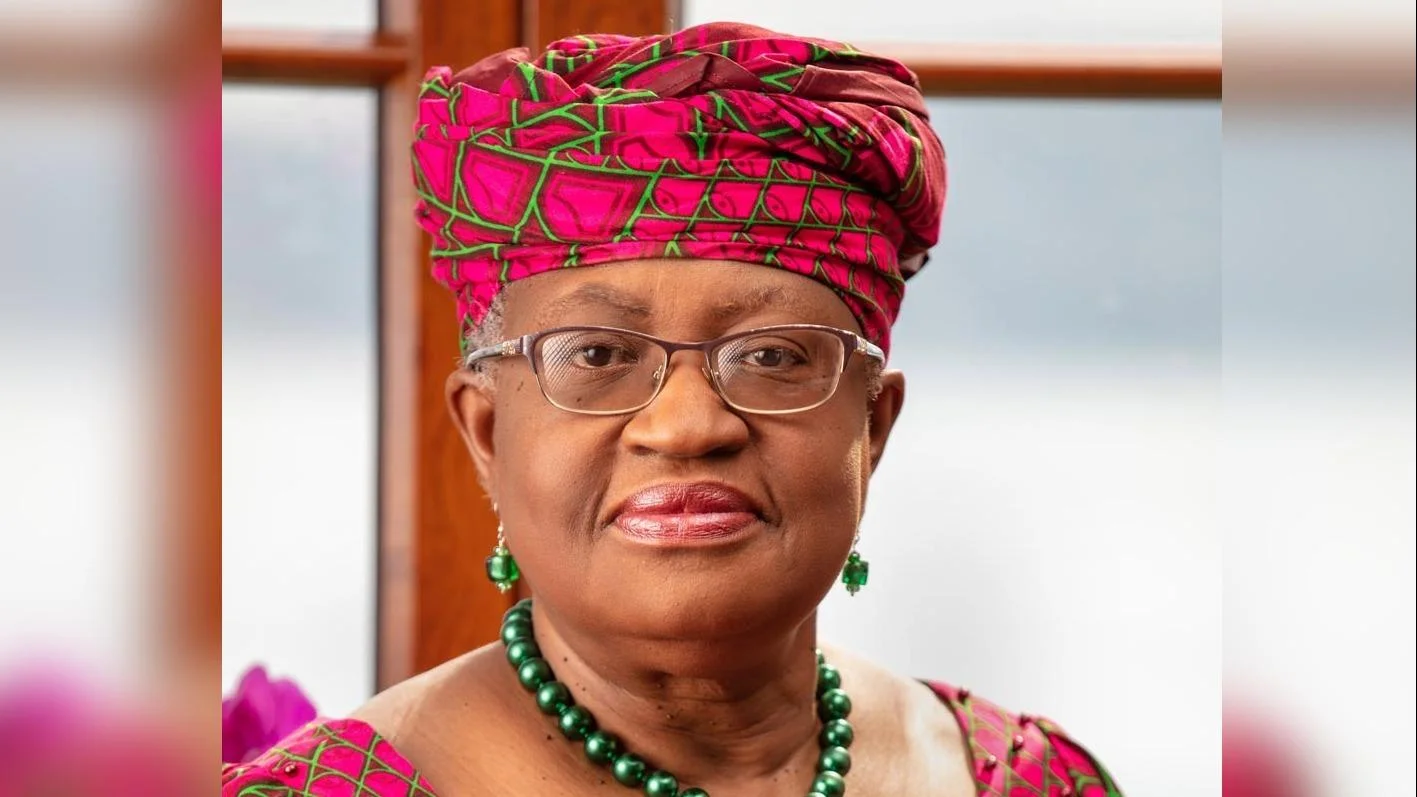
"This new report has reaffirmed something we at the WTO have been saying: Globalization is far from over, and global value chains remain indispensable. The share of GVC trade in global total has declined only marginally from its 2022 peak of 48%, to 46.3% last year," said Director-General Ngozi Okonjo-Iweala at the launch event.
The biennial report is a collaborative effort by several organizations, including the Asian Development Bank, the Research Institute for Global Value Chains at the University of International Business and Economics, IDE-JETRO, the World Economic Forum, and the WTO Secretariat.
According to Okonjo-Iweala, "Firms and governments are not retreating from global integration, but reconfiguring it to meet new economic, political, and social priorities. This goes in the same direction of what we have been pushing for under the banner of 're-globalization': a re-imagined globalization that helps to diversify global value chains and uses it to bring more economies that were on the margins of the global economy into the mainstream."
The report finds that GVCs are being reorganized through changes such as geographic shifts, technological advances like digitalization and automation, innovations in governance with new industrial policies and targeted trade agreements, as well as environmental restructuring through green investments and carbon pricing.
While most data analyzed covers up until late 2024—before recent tariff increases—the publication notes that trade growth remained strong as of December 2025.
Okonjo-Iweala pointed out ongoing challenges: "We have seen policy-driven increases in trade costs and a sharp increase in policy uncertainty. These are particularly burdensome for marginalized regions that lack an established track record of hosting multinational production," she said. She also cited persistent shortages in trade finance exceeding $1 trillion annually as another obstacle.
"Such factors add up and are a major reason why the report finds that the ongoing rewiring of GVCs has mostly benefited countries that were already established as suppliers. If GVCs are to become more deconcentrated, diversified, and resilient, we need to be more creative about overcoming such obstacles," she added.
Okonjo-Iweala emphasized lessons from recent developments: "The report contains valuable lessons in this regard. It shows that governance cooperation has continued, though less in the form of traditional bilateral and regional agreements, viand by more informal, often non-binding, issue-specific frameworks. For instance, the report identifies more than 180 targeted trade deals with a focus on digital trade and critical minerals signed as of 2024. These arrangements can help build trust and predictability in the new governance landscape."
Key findings were presented by Robert Koopman (editor-in-chief) alongside ADB Chief Economist Albert Park. The event included panels featuring authors' insights along with perspectives from government officials and business leaders; closing remarks were delivered by UIBE President Zhao Zhongxiu and IDE-JETRO President Fukunari.
The full programme for this event is available online here.
The complete report can be accessed here.