
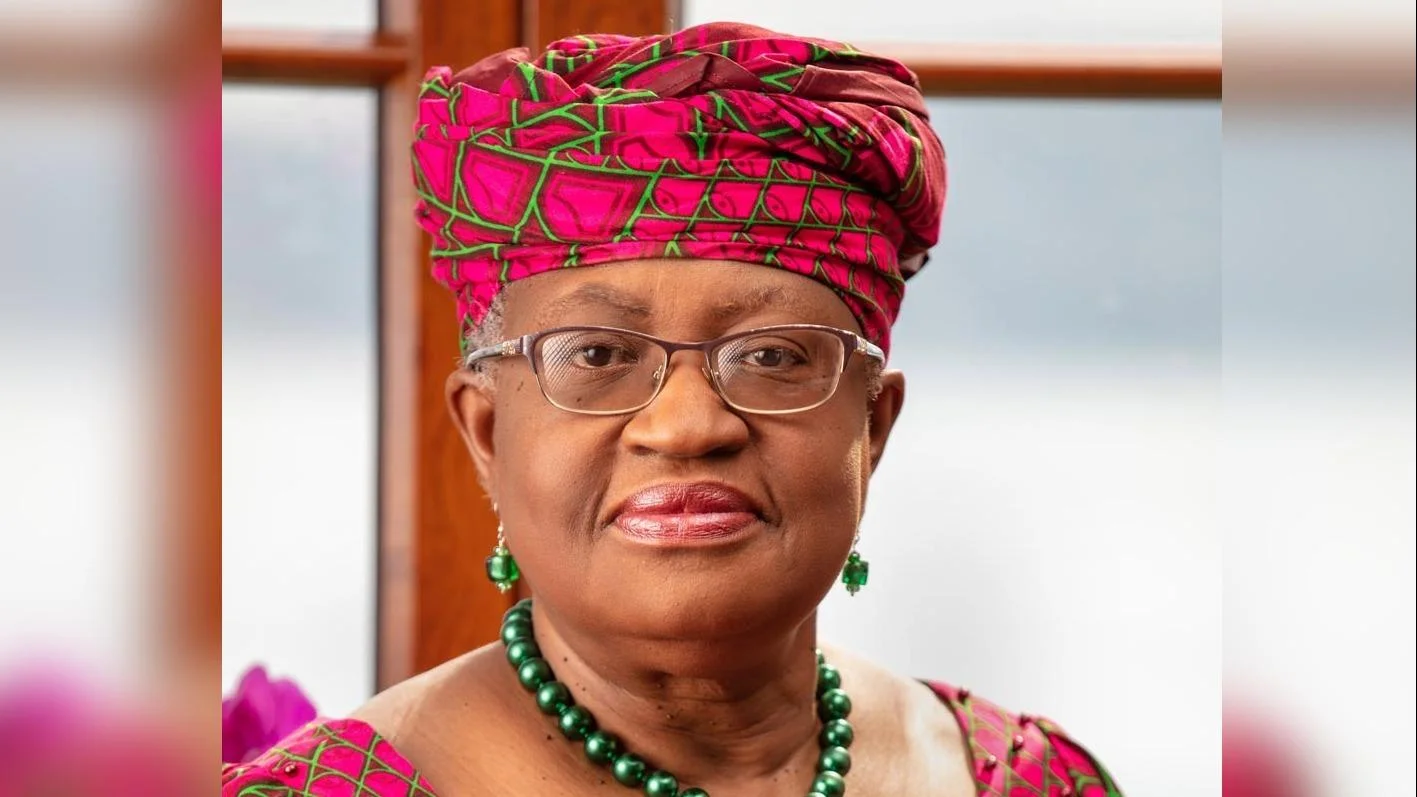
At a recent meeting of the Trade Negotiations Committee (TNC), World Trade Organization Director-General Ngozi Okonjo-Iweala stressed the importance of developing a focused agenda ahead of the upcoming 14th Ministerial Conference (MC14). The conference is being described as potentially one of the most significant in the organization's history.
"The purpose of today's TNC is to chart a path to identify a common understanding of which negotiating issues are ready for ministerial action, which are not, and what should be done in each case," Okonjo-Iweala said. She reminded members that their goal is to establish a foundation for decision-making by next week's General Council meeting in Geneva, providing clarity for ministers before MC14.
"We are living through difficult but also exciting times. MC14 may well be the most consequential ministerial conference in the history of this organization," she said. "The outcome will depend on the choices we make and how we advance our preparations."
Okonjo-Iweala invited chairs from six negotiating bodies under the TNC to evaluate which issues were prepared for ministerial consideration and what further steps might be needed. She clarified that topics outside TNC's scope would be addressed by the General Council. As chair, she presented recommendations for each area but emphasized that setting the agenda was a collective responsibility.
In her closing remarks, Okonjo-Iweala noted strong engagement from WTO members, with many interventions reflecting significant interest in shaping an effective approach toward MC14. She reported that members provided clear guidance on handling both the General Council and Ministerial Conference agendas.
Members generally reaffirmed support for prioritizing progress made in Geneva ("Geneva-first" principle) and cautioned against including too many issues on the MC14 agenda, which could hinder concrete results. They also called for balance, transparency, inclusivity, and keeping options open for continued work after MC14 where more progress might be possible.
Okonjo-Iweala observed broad agreement among members on several negotiation topics but indicated that some areas would not see technical negotiations brought forward at MC14.
On fisheries subsidies, members acknowledged it was unlikely additional rules would be finalized by MC14 but expressed willingness to endorse ongoing efforts beyond the conference.
For agriculture, Okonjo-Iweala pointed out widespread member interest but said no single text was ready for negotiation at this time. Recent submissions could form a basis for further work in Geneva aimed at reaching consensus or another form of ministerial involvement.
Regarding G-90 proposals related to trade and development, there was broad support for advancing these through a process-based approach via the General Council, building on discussions since MC13.
The Director-General concluded that these talks had helped reduce differences and clarify what could realistically move forward to ministers. She committed to reflecting members' advice in her report to the General Council with an aim toward securing endorsement of an actionable agenda for MC14.