
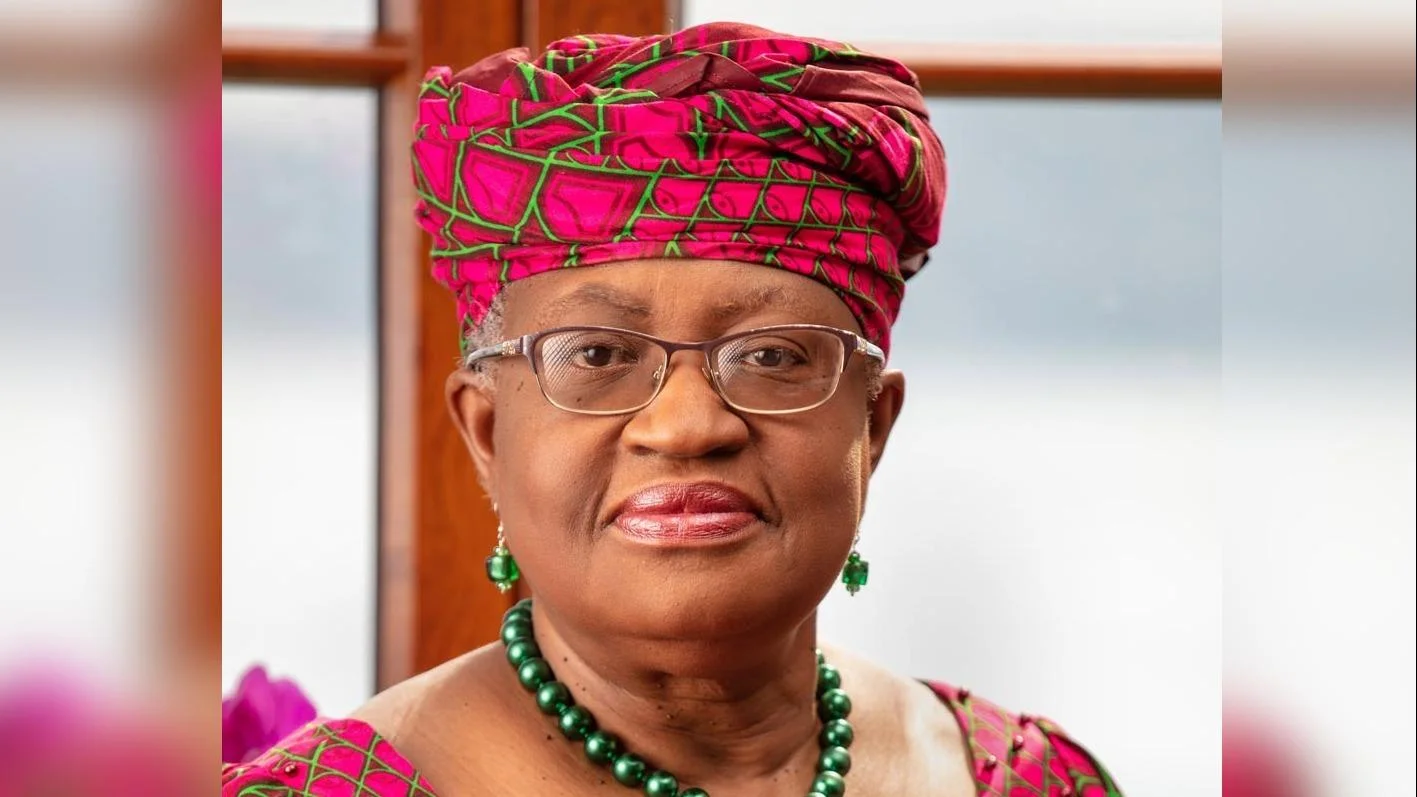
The World Trade Organization (WTO) marked the completion of its 2025 Young Professional Programme (YPP), with Director-General Ngozi Okonjo-Iweala addressing the outgoing participants. The ninth cohort, who joined the WTO Secretariat in January 2025, spent a year working across 13 divisions, gaining direct experience in various aspects of WTO operations and the multilateral trading system.
Director-General Okonjo-Iweala commended the young professionals for their efforts and emphasized the YPP’s role in promoting diversity within the organization. "Over the past year, you have contributed your energy, your ideas and your expertise to the work of the WTO. You have been part of a team that is navigating the greatest disruptions faced by the multilateral trading system since its creation 80 years ago. I hope you have found the journey both challenging and rewarding."
Representing this year’s group, Chiafuchu Benard from Cameroon thanked Okonjo-Iweala for her leadership and acknowledged support from both WTO members and donors to the Global Trust Fund. "To members, we say contributing to the Global Trust Fund and supporting the Young Professionals Programme is an investment to ensure the future of global trade is more predictable, sustainable, inclusive, and responsive to the needs of people everywhere." He added: "Despite the challenges, the WTO remains resilient and continues to deliver results that improves the lives of people and the planet. Undoubtedly, much needs to be done to reform and reposition the organization and we trust members to do so. As outgoing YPs, this is the message we take back with us."
Ambassadors and delegates from member countries attended a ceremony recognizing both individual achievements and collective contributions made by participants over their tenure. Attendees highlighted how initiatives like YPP help develop new talent, encourage greater representation from diverse backgrounds, and strengthen multilateral cooperation on trade.
This year’s cohort included professionals from Angola, Armenia, Botswana, Burkina Faso, Cambodia, Cameroon, Côte d'Ivoire, Georgia, Ghana, Kenya, Malawi, Malaysia, Moldova, Nigeria, Saudi Arabia, Singapore, The Gambia, Togo and Viet Nam.
Launched in 2016 by the WTO Secretariat as part of ongoing efforts to build institutional capacity on trade issues among unrepresented or under-represented member states’ nationals—particularly developing countries—the YPP seeks to foster expertise while broadening participation within its staff ranks.
Participants shared reflections on their experiences at WTO. Lucas Narciso Pimenta Ricardo (Angola) stated: "The YPP significantly strengthened me as a professional... It reminded me that supporting developing countries and least developed countries is not only a moral imperative; in fact it benefits all countries that participate in the multilateral trading system by fostering more equitable growth..." Edgar Hovhannisyan (Armenia) noted: "Participating in the WTO Young Professionals Programme gave me a practical hands-on understanding of how multilateral trading system operates... I gained direct experience in negotiations..."
Other members described developing skills through hands-on assignments involving trade policy reviews (Faith Mbakhwa – Botswana), preparing briefing notes for high-level meetings (Stan Sanon – Burkina Faso), engaging with tariff measures (Eriya Chea – Cambodia), compiling trade data statistics (Siramane Coulibaly – Côte d’Ivoire), analyzing dispute settlement cases (Nada Alsalmi – Saudi Arabia), collaborating on regulatory best practices publications (Viet Duc Tran – Viet Nam), among other activities.
The programme also offers exposure to real-world negotiations on complex topics such as climate-related trade policies or digital commerce regulations—areas increasingly central to global economic governance. Participants consistently cited growth in analytical abilities as well as appreciation for collaborative problem-solving across cultures.
As graduates return home or move forward in their careers internationally or domestically—including within government ministries or regional organizations—they are expected to apply knowledge gained at WTO toward building stronger national institutions capable of engaging effectively with global rules-based commerce.