
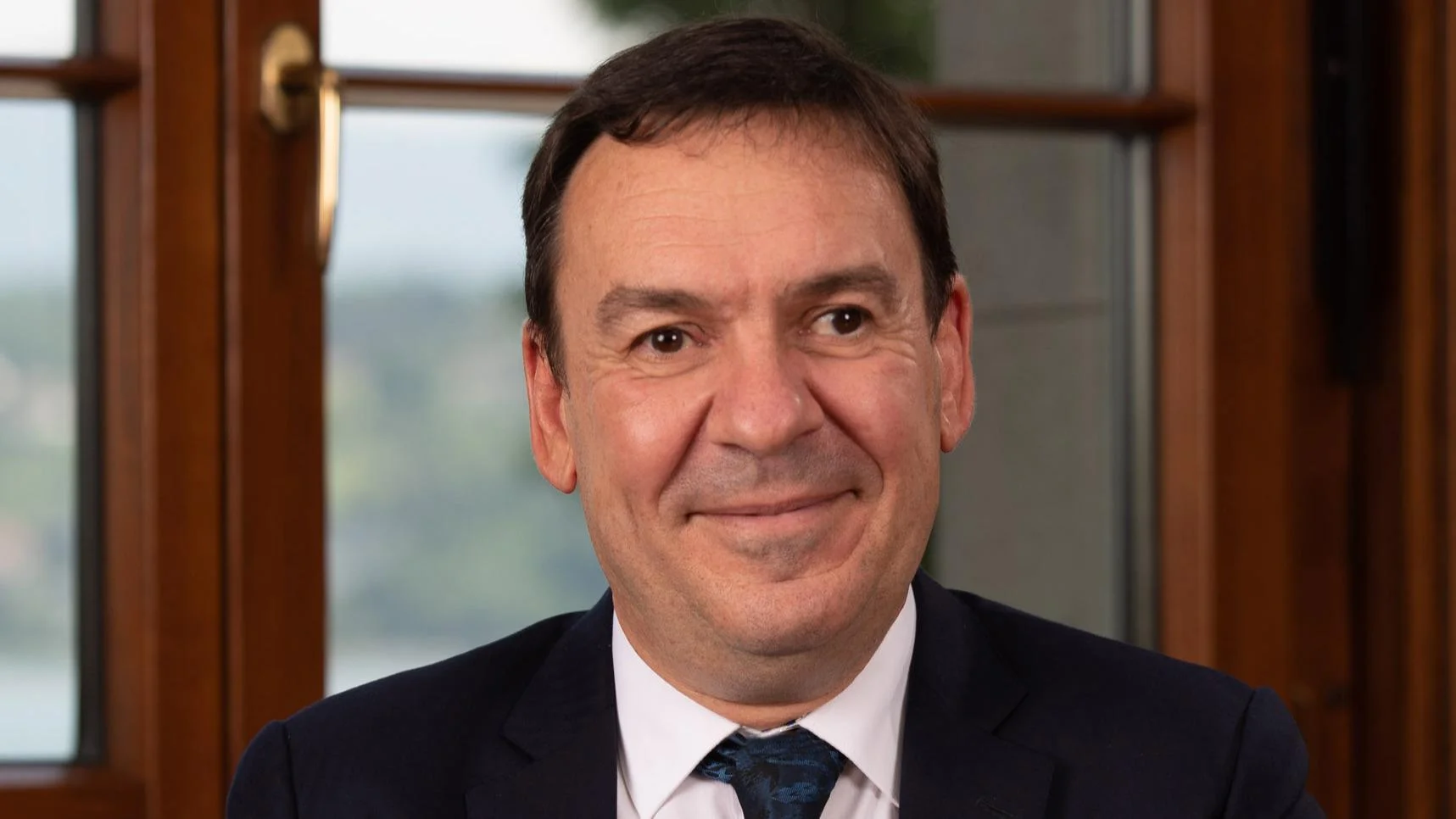
WTO members gathered for the 44th round of consultations under the Director General's Consultative Framework Mechanism on Cotton (DGCFMC) to discuss ways to boost investment and development in the cotton value chain, particularly in Africa. Deputy Director-General Jean-Marie Paugam congratulated the UN Food and Agriculture Organization (FAO) for hosting World Cotton Day this year, an event organized with the International Trade Centre (ITC) and Chad.
During the meeting, updates were provided on the Partenariat pour le Coton (Cotton Partnership), which seeks to transform the cotton-textile-garment (CTG) sector and increase value addition in countries known as Cotton-4+ (Benin, Burkina Faso, Chad, Mali, and Côte d'Ivoire), as well as other African nations. The United Nations Industrial Development Organization (UNIDO) reported progress on implementing partnership activities, including a baseline assessment of value addition prospects, national reports from consultations, a Steering Committee Meeting in Cairo in April, and a recent regional workshop.
"I'd like to make a call for our financial partners and donors to support this crucial phase of our work," said DDG Paugam. He reminded participants that the process has moved from diagnosis to operational implementation and emphasized attracting investment capable of transforming cotton and textile value chains.
Otto International Scan-Thor, an international sourcing company, outlined challenges facing the CTG sector but noted these also present opportunities for developing a competitive regional fashion industry. The company highlighted that building such an industry could help attract multinational retailers to source large orders from the region.
The International Cotton Advisory Committee (ICAC) presented its market outlook for 2025-26. It projects global cotton production at around 25.4 million tonnes—similar to last season—with little change among major producers. Consumption is expected to decline slightly to 25 million tonnes. ICAC also reported continued growth in specialty cottons such as long or extra-long staple varieties and those certified under initiatives like "Better Cotton" or "Cotton Made in Africa," now accounting for one-third of global lint production.
DDG Paugam closed the DGCFMC by calling for stronger support through capacity building and investment promotion campaigns targeting CTG value chains in C-4+ countries. He encouraged these nations to consider technical experts' advice regarding regional expansion.
The C-4+ group requested a high-level event on cotton value chains be held alongside the upcoming Ministerial Conference in Yaoundé to review progress under Partenariat pour le Coton and seek further investment support.
On policy reform discussions chaired by Ambassador Ali Sarfraz Hussain of Pakistan, WTO members addressed ongoing negotiations over trade policies affecting cotton—a topic central since West African countries called for special attention at the WTO in 2003. Progress has been limited due to broader disagreements within agriculture talks.
The WTO Secretariat introduced its latest background paper summarizing all available information on cotton at the organization—including member notifications, questionnaire responses about policies, and data on tariffs and non-tariff measures. The Chair stressed transparency's importance for well-functioning markets and informed negotiations.
Several members supported efforts toward compromise ahead of MC14; others urged resetting expectations if no agreement emerges soon. The C-4+ group reaffirmed commitment to achieving results at MC14—especially concerning domestic support—and indicated willingness for a stand-alone outcome if broader agricultural reform remains stalled. They plan to submit written proposals after their ministerial meeting later this month in Bamako, Mali.
Other members called for reducing trade-distorting domestic support specific to cotton. Some referenced previous draft texts discussed before MC13 or argued any outcome should fit into larger agricultural reforms. There were also proposals suggesting voluntary steps by members to improve market access across LDCs’ entire supply chain—from raw cotton through textiles—with targeted assistance and investments.