
More than 140 government officials and civil society representatives in the Philippines participated in a three-day workshop focused on improving tsunami preparedness. The event, held from December 8 to 11 in Quezon City, was organized by the U.S. National Oceanic and Atmospheric Administration (NOAA) and the Department of Science and Technology-Philippine Institute for Volcanology and Seismology (DOST-PHIVOLCS).
Experts from NOAA’s International Tsunami Information Center, the Pacific Tsunami Warning Center, and UNESCO’s Intergovernmental Oceanographic Commission took part in the training. The workshop was funded by the U.S. Department of State and aimed to strengthen local capacity to assess risks, establish warning systems, and develop evacuation plans.
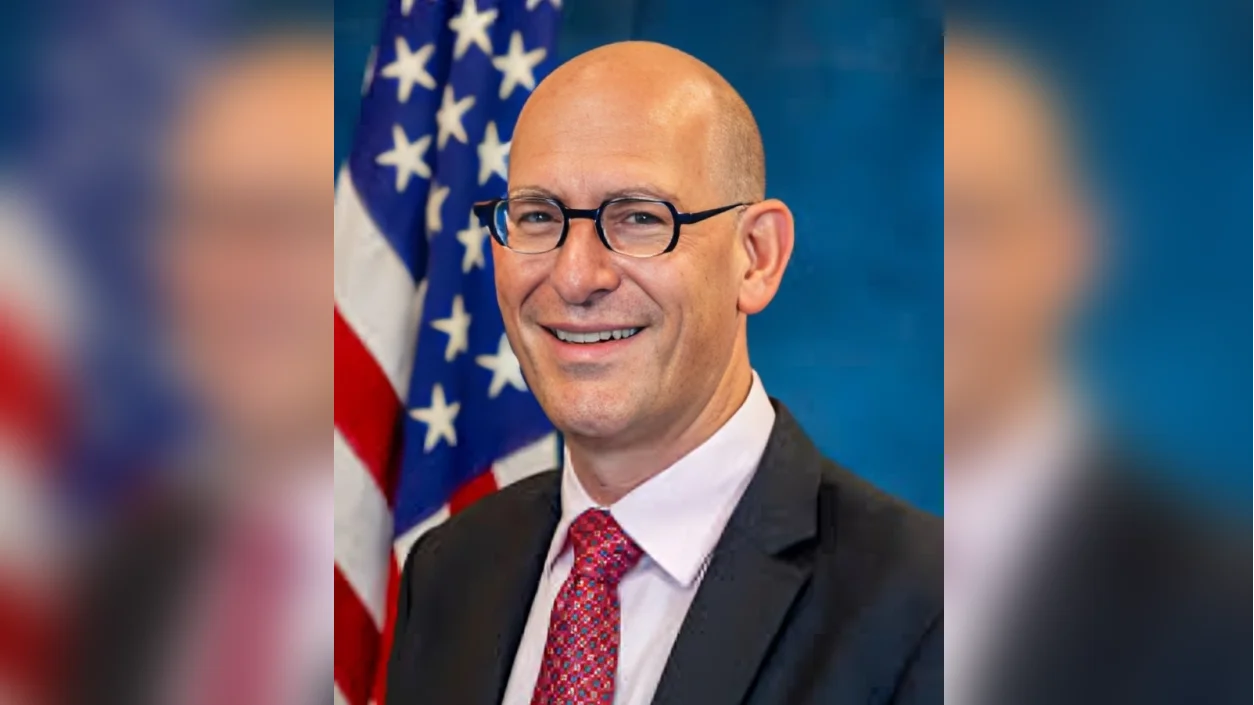
“Preparedness saves lives. The Tsunami Ready Workshop demonstrates our two countries’ shared commitment to ensuring every community has the tools to face tsunami threats with confidence,” said U.S. Embassy Deputy Chief of Mission Y. Robert Ewing at the opening ceremony on December 8. “For decades, the United States and the Philippines have worked together on disaster preparedness, which keeps Filipinos and visiting Americans safer, stronger, and more prosperous.”
The workshop supports efforts by Philippine authorities to implement UNESCO’s Tsunami Ready Recognition Programme (TRRP), which sets out criteria for communities seeking recognition as “Tsunami Ready.” These include mapping hazard zones, approving evacuation maps, conducting regular drills, and ensuring reliable alert systems. The TRRP is based on a similar program developed in the United States.
“Tsunamis are no-notice events. We don’t know when the next big one will be, so we need to always be ‘Tsunami Ready,’” said Dr. Laura Kong, Director of NOAA’s International Tsunami Information Center.
DOST Secretary Renato Solidum Jr., who attended the event alongside U.S. Embassy representatives and international experts, highlighted over two decades of collaboration between Filipino scientists and their American counterparts: “With your help, we hope to finally see our very first internationally recognized Tsunami Ready community—or communities—in the Philippines very soon,” he said.
U.S.-Philippines cooperation in disaster resilience has been ongoing for many years through agencies such as NOAA that support initiatives designed to improve community safety against natural disasters.