
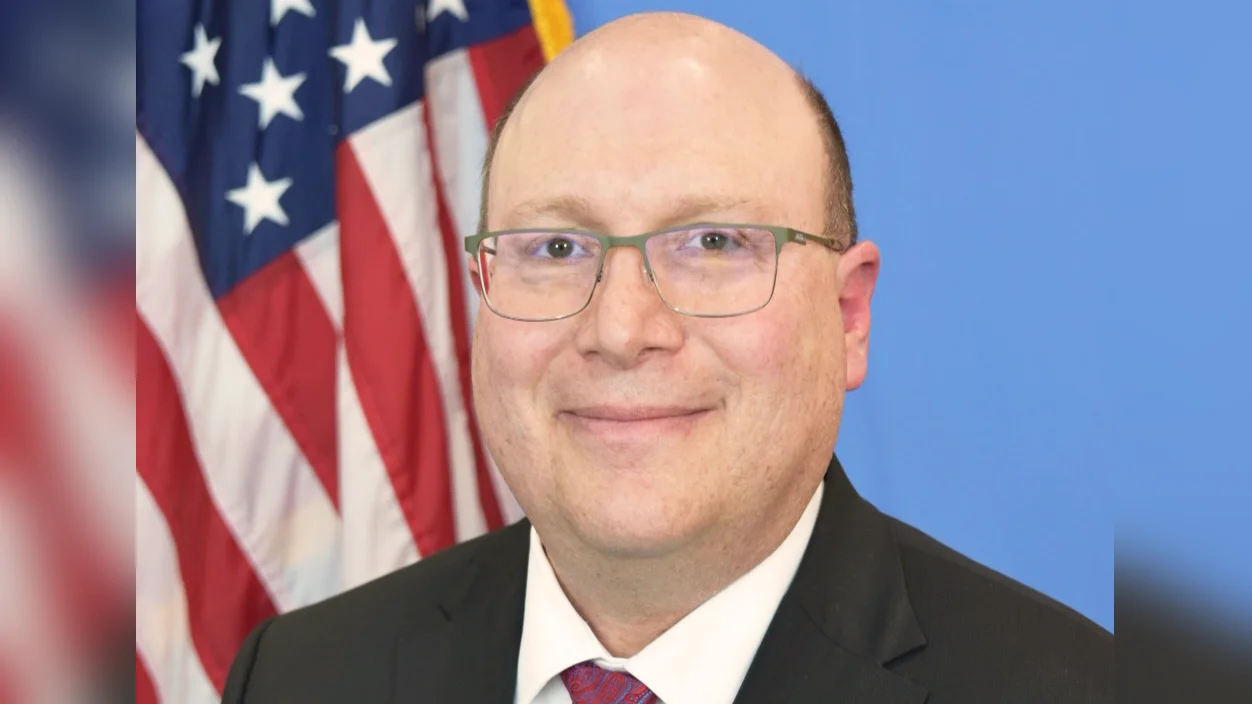
The United States delivered a statement at the reconvened 68th Session of the UN Commission on Narcotic Drugs (CND) and the 34th Session of the UN Commission on Crime Prevention and Criminal Justice (CCPCJ) in Vienna, Austria, on December 4, 2025. The remarks were made by Chargé d’Affaires, ad interim, Jason Mack.
In his address, Mack thanked the chairs of both commissions as well as the Acting Executive Director and staff of the United Nations Office on Drugs and Crime (UNODC) for their work on budget matters. He stated that his comments addressed all sub-items under agenda item 4a-d concerning strategic management, budgetary, and administrative questions.
Mack criticized what he described as inefficiencies within the United Nations: "The UN has grown bloated, unfocused, too often ineffective, and sometimes even part of the problem. The United States will continue to press for the decisions and actions needed to ensure this institution is leaner, more focused, and more effective."
He also clarified U.S. opposition to diversity-related programs within UN bodies: "We underscore that the United States supports merit-based hiring and equal consideration. The United States does not, and will not, support any program which uses any form of diversity, equity, or inclusion – or DEI – precepts, programs, or initiatives, and will oppose any policy or program that includes any form of, or reference to, gender ideology." Mack added that U.S. laws prioritize hard work over preferential hierarchies created by DEI initiatives.
Regarding global development frameworks such as the Sustainable Development Goals (SDGs), Mack stated: "The United States has made clear that the 2030 Agenda for Sustainable Development and the Sustainable Development Goals impinge upon state sovereignty as a soft form of global governance, and we will no longer reaffirm them as a matter of course." He called for UNODC to focus instead on its core mandates related to drugs and crime.
Mack expressed concern about elements in recent reports presented under this agenda item. He requested revisions to future program plans: "We therefore request that the Secretariat revise the 2027 Programme Plan to remove all references to SDGs and programmatic elements outside its mandate..."
On recruitment practices at UNODC related to gender balance and geographic representation he said: "We stress that the UN system’s recruitment of personnel must be strictly merit-based... However, we firmly reject the establishment of gender-based quotas in UN hiring..." He further requested language clarifying biological sex distinctions in official documents.
Discussing budget matters for 2026-2027 at UNODC he noted: "We cannot accept the inclusion of SDG-related or other cross-cutting agendas in this document. These elements fall outside UNODC’s core mandates..."
On organizational leadership issues within FINGOV Bureau for 2026—the body overseeing financial governance—Mack objected specifically to Iran's nomination for Vice-Chair: "Iran’s Islamic Revolutionary Guard Corps (IRGC) and its Quds Force — both terrorist organizations — oversee and enable terror attacks... conduct that is fundamentally incompatible with service on any UNODC body." He called for members not to support Iran's candidate due to concerns over terrorism allegations and human rights abuses.
Addressing ongoing conflict in Gaza near session’s end he said: "What is needed now is action–not more politically divisive statements which could hinder progress." On accusations regarding genocide he added: "Allegations of genocide are unfounded and untethered from reality."