
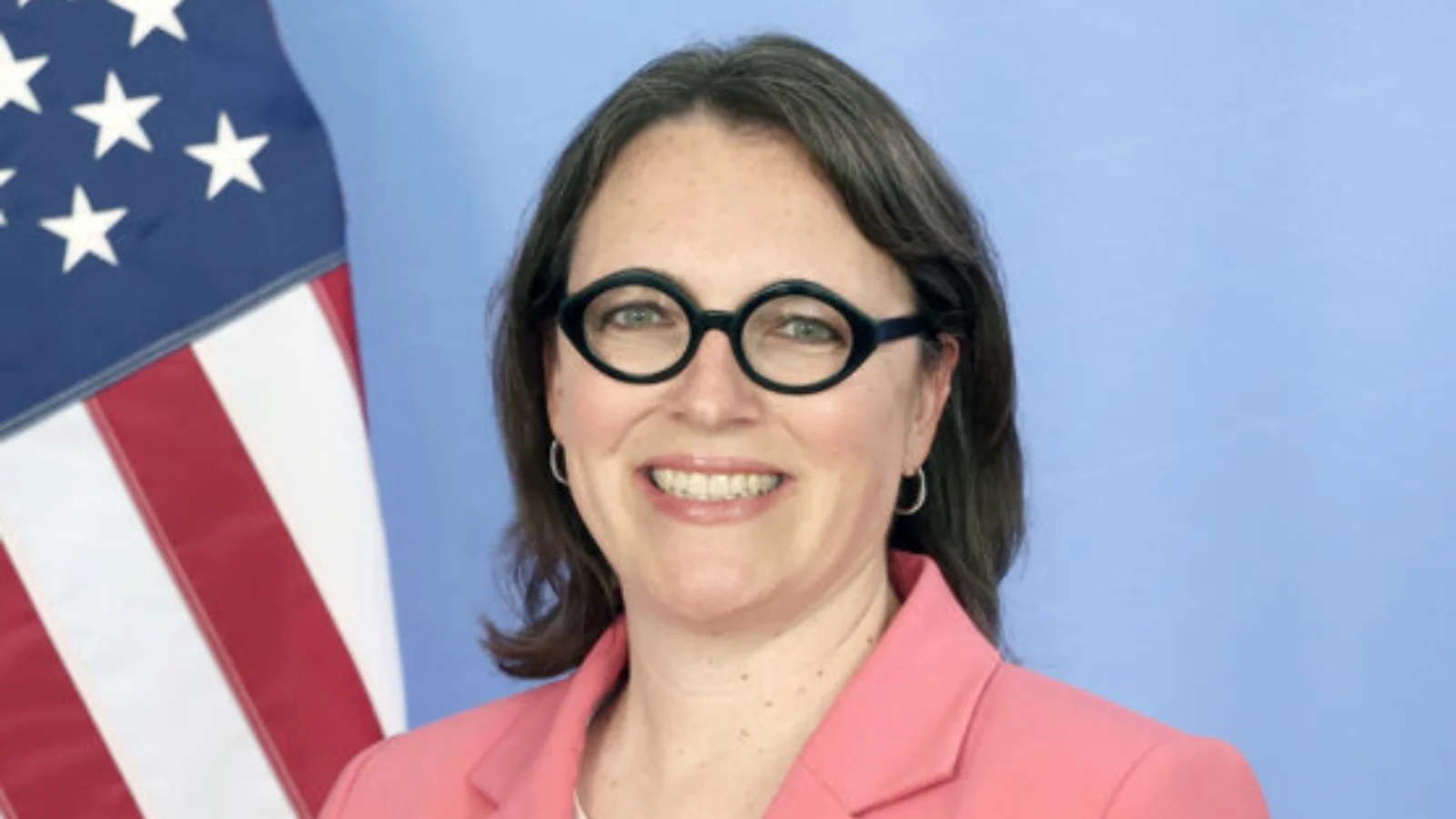
The United States has called for significant reforms within the United Nations system, focusing on efficiency and cost control, during the 116th Session of the Council of the International Organization for Migration (IOM) in Geneva. Spencer Chretien, Senior Bureau Official at the U.S. Department of State’s Bureau of Population, Refugees, and Migration, delivered a statement emphasizing the need to streamline UN operations.
Chretien stated that while "the UN can be an important institution for solving international challenges, such as delivering humanitarian assistance and countering mass and illegal immigration," it must "get back to basics and embrace fundamental reform." He criticized what he described as "mandate creep," bureaucracy, and excessive spending within the organization.
A key focus was placed on staff compensation reform. Chretien noted that personnel costs account for 70 percent of the UN’s Regular Budget. He proposed three main changes: "eliminating business-class travel for UN general staff; ending tertiary education benefits, which can cost up to $40,000 per student per year; and removing health insurance eligibility for secondary dependents and independent adult children." These measures are intended to align expenses with practical benchmarks and build public trust in how funds are managed.
The United States also highlighted ongoing efforts by IOM under broader UN initiatives such as the UN80 Initiative. According to Chretien, these reforms represent "a much-needed first step toward a system that is more efficient and coherent," encouraging each agency to focus on its core mandate. He pointed out IOM’s common pipeline as a tool for reducing duplication in procurement and logistics.
Oversight was another major theme. Chretien acknowledged IOM's work implementing its Internal Governance Framework and praised progress by its Office of Internal Oversight—reporting a 200 percent increase in output this year alongside a 57 percent reduction in open case backlog. The U.S. strongly supports IOM joining the Joint Inspection Unit to further address waste, fraud, and abuse.
Chretien addressed donor burden-sharing as well: "for too long the United States has shouldered a disproportionate share of the burden of humanitarian crises around the world," urging other donors to increase their support. He welcomed new contributions supporting IOM’s governance functions and noted efforts by IOM to expand revenue through private sector partnerships.
He concluded by calling for collaboration: "let us work together to craft a UN that is leaner, more focused, and more effective in maintaining international peace and security while respecting the sovereignty of nation states."