
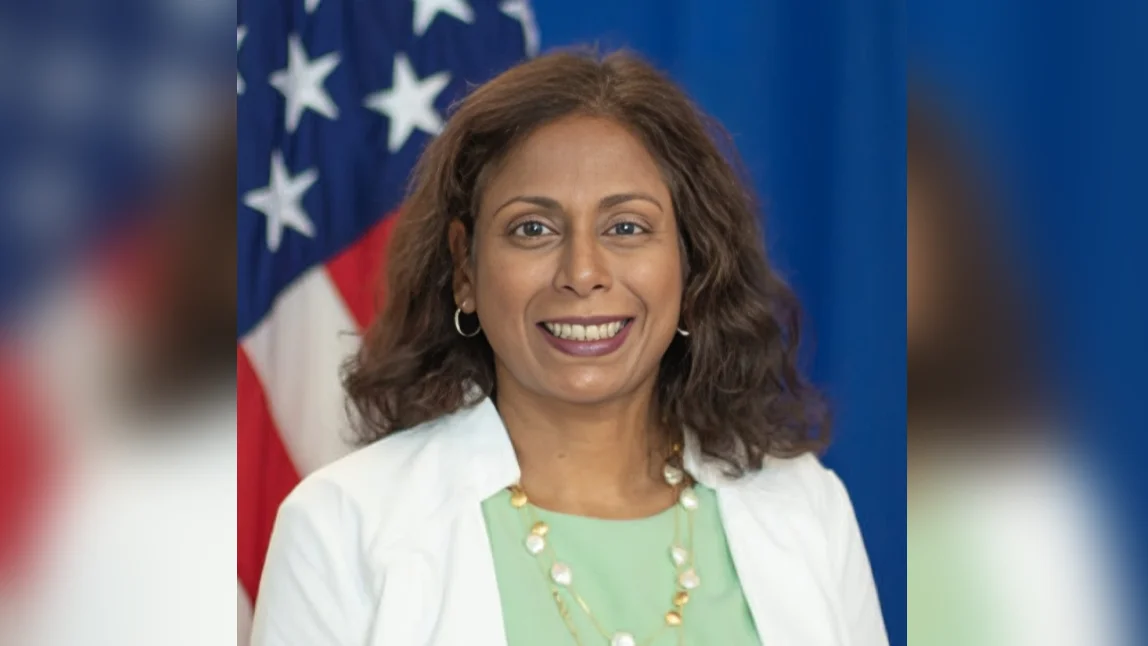
Chargé d’affaires Anu Prattipati of the U.S. Embassy in Kosovo gave an interview to the Kosovan Serb Media Consortium on September 3, 2025, addressing concerns about the treatment of the Serb community in Kosovo and other issues affecting their participation in public life.
Prattipati stated that the United States remains concerned about the rights of Kosovan Serbs and continues to support their inclusion in Kosovo. She referenced previous remarks by Secretary Rubio, saying, "The United States has proudly supported Kosovo’s journey to becoming a sovereign, democratic, multiethnic, and prosperous country. Kosovo enshrined these tenets in its Constitution, and its political leaders have committed themselves to upholding them, and we have seen progress. Kosovan Serbs work in the Kosovo Police and in the Kosovo Security Forces and in other institutions. At one time, a number of Kosovan Serbs were serving as prosecutors and judges; we look forward to the day they re-enter these institutions and encourage all parties to work to make this happen."
She also noted concerns about recent actions by Kosovo's caretaker government that have increased tensions with the Serb community: "We are concerned about actions by the caretaker government that have heightened tensions, particularly when it comes to treatment of the Kosovan Serb community. Caretaker Prime Minister Kurti’s government is responsible for the safety and prosperity of all Kosovans, and Kosovo’s constitution and laws enshrine the representation of Kosovan Serbs in Kosovo’s institutions. We expect the Government of Kosovo to ensure that Kosovan Serbs have equal opportunities and are able to participate fully in the political and civic life of Kosovo. We will continue to advocate for this. Kosovan Serbs are citizens of Kosovo and we believe they have a responsibility to help build a more stable and prosperous Kosovo. The U.S. government will continue to engage with the Kosovan Serb community on these issues."
When asked about delays in ambassadorial appointments at both U.S. embassies in Pristina and Belgrade, Prattipati explained: "Ambassadorial appointments involve both presidential nomination and Senate confirmation, which can take time. The absence of an Ambassador does not mean a lack of U.S. engagement. The U.S. government is fully engaged and deeply involved in all aspects of our partnership with Kosovo, as evidenced by frequent high-level engagements both in Washington D.C. and here in Kosovo, including the recent visit by Senior Bureau Official Brendan Hanrahan."
On potential changes integrating education and healthcare from Serbian into Kosovo systems for local Serbs, Prattipati emphasized careful coordination: "We have been clear on this issue. Parallel Serbian-run institutions eventually need to be folded into the Kosovo system. However, how this is done is critically important... Any changes affecting the Kosovan Serb community should be done in consultation with the Kosovan Serb community... This means full coordination in advance with Kosovan Serb elected leaders, civil society, and members of the community... This cannot be a unilateral process... It is up to the Kosovan Serb community and Government of Kosovo to work together..."
Regarding fears over possible mass emigration if integration policies proceed without proper consultation or safeguards for services like education or healthcare for ethnic minorities (including health access), Prattipati said: "Kosovo can be a prosperous peaceful country where all communities flourish... There are six stars on [the] flag representing six major ethnic communities... In turn it is [the] Government’s responsibility [to] address concerns..."
Asked whether conditions would allow fair participation by all Serbian political parties across different regions during upcoming local elections scheduled for October 2025—and whether differences exist between north/south—Prattipati replied: "All citizens…should have right [to] elect chosen representatives…institutions must ensure all political parties can participate equally…conditions must be consistent everywhere: elections that are transparent…and secure without obstacles…It is also important that…the [Serbian] community…and its representatives actively participate…Only through political/civic engagement can you ensure elected officials represent your community…Participation ensures your role shaping future."