
The World Bank Group and the Asian Development Bank (ADB) have announced two major projects in the Pacific region as part of their new Full Mutual Reliance Framework. This cofinancing model is designed to make development financing more efficient by allowing countries to work with a single lead lender—either ADB or the World Bank—to oversee all aspects of project design, preparation, supervision, and evaluation.
The first two projects under this framework are focused on health modernization in Fiji and integrated infrastructure investment in Tonga. According to ADB President Masato Kanda, “Our goal is to make development finance simpler, faster, and more effective. With this approach, we respond to client needs to solve complex challenges together, from disaster resilience to better connectivity, while supporting their long-term vision for prosperity.”
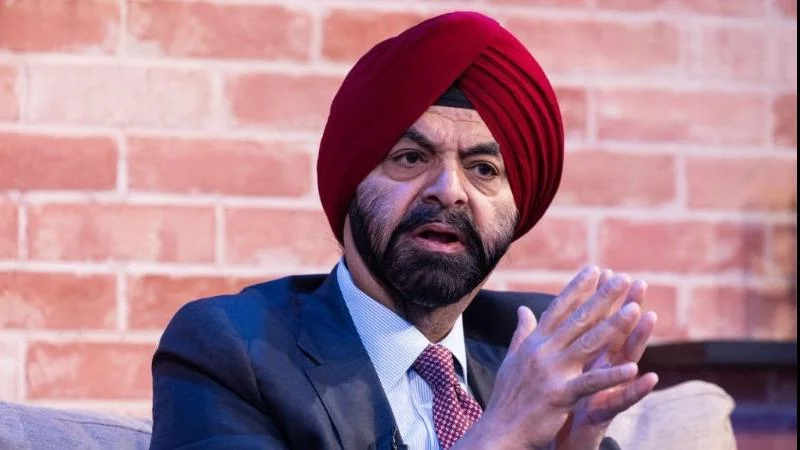
World Bank Group President Ajay Banga stated: “We pursued this framework for one core reason: our clients asked us to make their lives easier. To work faster. To be better partners. This is an important step forward—for our institutions, yes, but far more importantly, for the countries and communities who count on us to deliver real results.”
The operationalization of the framework highlights the ongoing collaboration between ADB and the World Bank Group in the Pacific region. It aims to address requests from client countries for faster and more streamlined access to development funding.
The $236.5 million Pacific Healthy Islands Transformation (PHIT) project will be led by the World Bank. The initiative targets non-communicable diseases—a leading cause of death across Pacific Island Countries—and represents the largest single operation by the World Bank Group in this region. In Fiji specifically, PHIT will upgrade primary healthcare networks and support a new regional hospital that will expand access to treatment for conditions such as cancer, cardiovascular disease, and diabetes.
Financing from the World Bank Board has already been approved for PHIT; ADB’s proposed cofinancing will be reviewed by its Board in early 2026.
The second project—the Tonga Sustainable Economic Corridors and Urban Resilience (SECURE) project—is led by ADB and was approved by its Board on November 20, 2025. The SECURE project involves a combined total of $120 million in grant financing from both organizations and marks Tonga’s largest ever partner-financed development initiative.
This effort will result in significant upgrades to Greater Nuku’alofa’s transport network and urban drainage systems—including construction of a 720-meter Fanga’uta lagoon bridge—to reduce traffic congestion and improve market access for rural residents. The investments also aim to enhance connectivity with essential infrastructure such as airports and ports while providing secure evacuation routes during disasters like tsunamis.
World Bank cofinancing for SECURE is expected to be presented for Board consideration in early 2026.
Both organizations describe these initiatives as examples of how strategic partnerships can accelerate progress toward shared goals across Asia and the Pacific.