
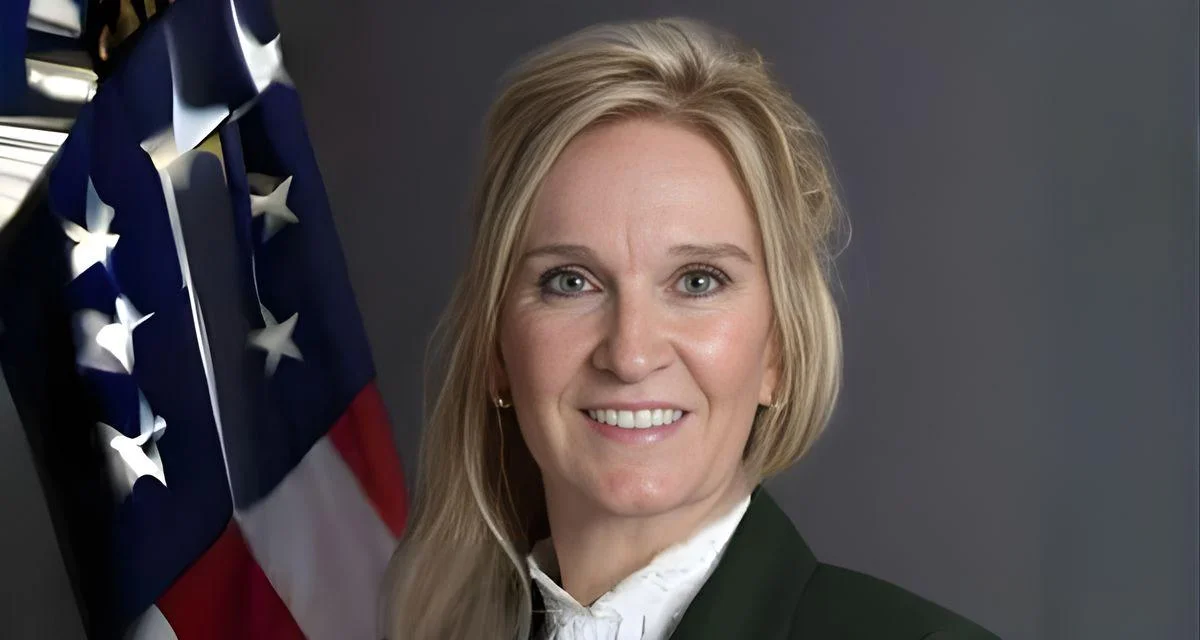
Ambassador Lynda C. Blanchard, representing the United States at the 179th Council of the UN Food and Agriculture Organization (FAO), delivered a statement emphasizing the need for reform within FAO to better serve global food security and support American interests.
Blanchard conveyed the priorities of the current U.S. administration, stating, “We are all here to advance our interests; for me, it is America First, and America needs a laser-focused FAO to help advance our security and our prosperity.” She cited Secretary of Agriculture Brooke Rollins: “The continued financial success of our farming and ranching operations is a national security priority.”
In her remarks, Blanchard called for urgent action to strengthen FAO’s effectiveness. “For the United States, we must act now to make this organization great again. FAO’s ongoing reform efforts are a good start, but more must be done and it must be done quickly. Costs must be controlled, cuts can be taken, and leadership must focus on the core duties of the organization,” she said.
She outlined specific areas where FAO should focus its efforts:
- Prioritizing initiatives such as Codex Alimentarius and the International Plant Protection Convention to safeguard global food supply chains.
- Ensuring greater financial contributions from other countries toward preventing transboundary diseases rather than relying mainly on U.S. funding.
- Increasing collaboration with private sector partners to leverage innovation in tackling hunger.
Blanchard reiterated U.S. support for international cooperation while stressing national sovereignty and accountability in how funds are used: “The United States firmly believes the sovereignty of nations is the cornerstone of the international system. We are committed to ensuring every dollar of American taxpayer contributions is used wisely, and we will do everything possible to support our hardworking American farmers.”
Addressing current global crises, she referenced recent progress following a ceasefire in Gaza and highlighted continued humanitarian efforts despite challenges posed by local groups: “We provided assistance despite Hamas’ continued brutality and exploitation of resources. FAO must support farmers in Gaza to get back to their fields and help sustain themselves.”
She also mentioned U.S.-led efforts towards peace in Sudan and Ukraine. Regarding Sudan, she stated that President Trump has made clear commitments alongside Middle Eastern partners: “We will work with Saudi Arabia, United Arab Emirates, Egypt, and other Middle Eastern partners to get these atrocities to end, while at the same time stabilizing Sudan.”
On Ukraine’s recovery amid conflict, Blanchard noted that FAO’s expertise remains vital: “FAO’s expertise is crucial to help Ukraine’s farmers rebuild and thrive as the United States works to end that conflict as well.”
Blanchard concluded by urging transparency among member states regarding resource allocation: “Actions—and funding—speak much louder than words. I ask this of each of your countries: help me to help you with our continued partnerships so I can report to President Trump how your nations are dedicated to the same values of transparency and accountability that we are.”
The ambassador reaffirmed America’s commitment both domestically—to its own agricultural sector—and internationally through support for collaborative solutions aimed at improving nutrition levels, agricultural productivity, rural livelihoods, and eradicating hunger worldwide.