
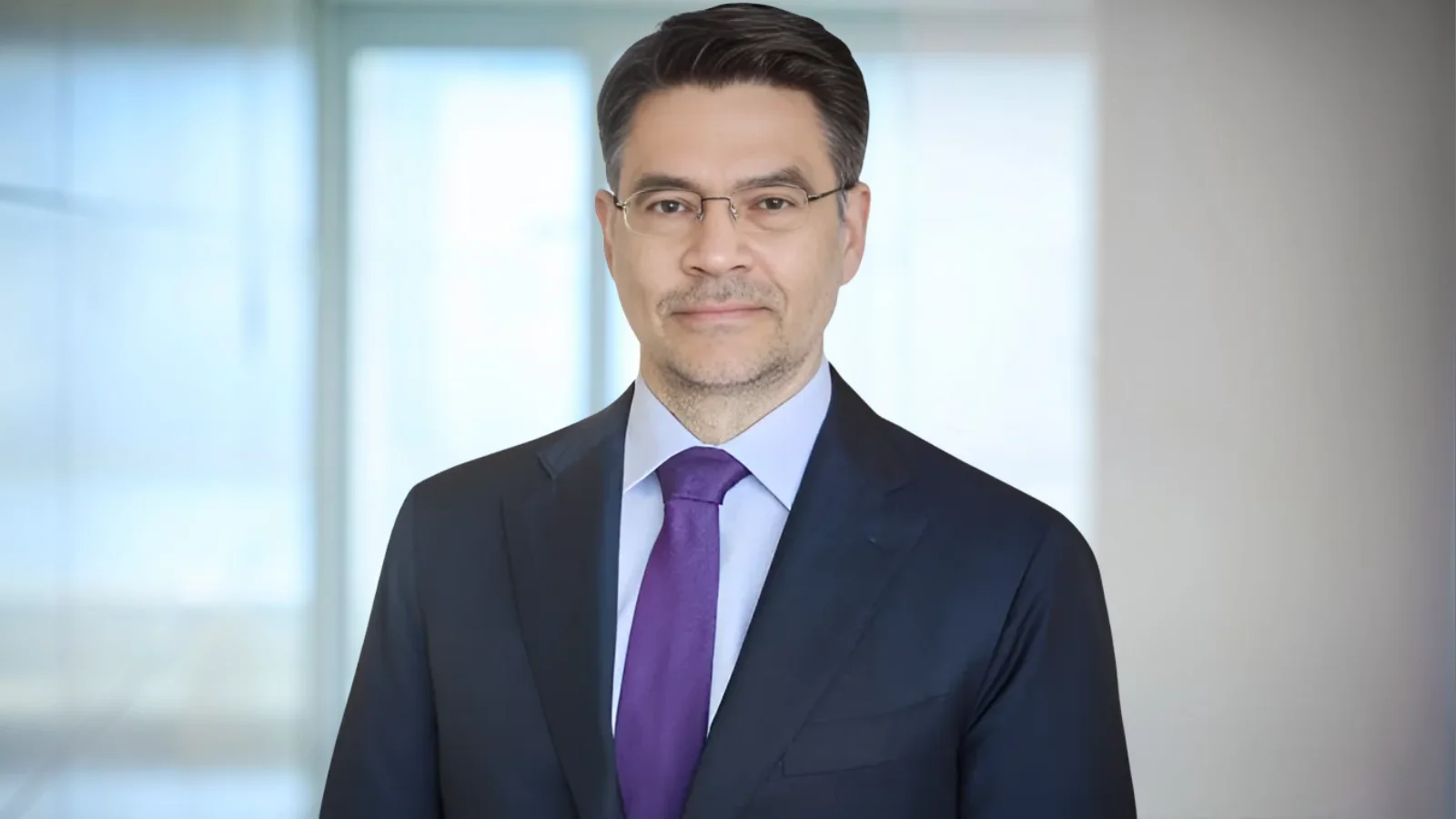
Germany needs to explore new economic sectors and increase local investment by private capital, according to a recent study presented by Dr Dirk Schumacher, Chief Economist of KfW. The comprehensive analysis from KfW Research examined Germany's position as an industrial location and included a separate brief focused on domestic start-ups.
Dr Schumacher emphasized the role of venture capital in fostering growth among young innovative firms. "Germany must open up new economic sectors. This cannot be done unless private investors, too, invest more locally. For young innovative firms, venture capital is important to speed up their growth," he said.
The study found that start-ups in Germany which received venture capital funding grew by an average of 2.5 employees per year during their first nine years, compared to just 1.2 for those without such funding. In contrast, traditional small and medium-sized enterprises (SMEs) not focused on strong growth increased staff by only 0.6 employees annually on average.
Despite these advantages, the German market does not always provide optimal conditions for investors seeking to exit businesses. Many successful German start-ups have seen investors exit through transactions abroad; since 2005 there have been 986 recorded exits involving venture capital investors in Germany, with acquisitions accounting for the majority—only 43 percent of buyers were based in Germany.
"The regulatory and tax environment for start-ups in Germany should be improved in a way as to prevent innovative businesses from leaving the country. Germany needs greater support as a location for start-ups and innovation," Schumacher added.
KfW Research's broader findings indicate that industrial value creation in Germany is likely to continue declining for now—a trend accelerated by geopolitical factors outside the control of businesses or government.
"More than in the past, the fate of German industry depends on factors that are beyond the direct control of businesses and the Federal Government. But the conclusion from that should not be resignation or inaction. Germany must undertake all efforts to apply the levers which we ourselves have in hand," said Schumacher.
The report suggests several measures: integrating tariffs into economic policy tools due to foreign interventions—especially from China—and reducing dependence on other countries through secured supply chains involving both government and private sector participation.
Schumacher noted issues such as high labor costs, inflexible labor markets, bureaucracy, and heavy corporate taxes as key challenges impacting competitiveness internationally: "The scope of the reform effort needed here always depends on the pace dictated by other countries as well. And at least the pace of China and the US is very fast!"
Energy costs also remain a concern; expanding energy infrastructure—particularly renewables—could lower prices over time but may require temporary subsidies: "That would improve our chances of keeping energy-intensive industrial businesses in Germany. If we expand renewables at the same time, hopefully the subsidies will then be only temporary," Schumacher said.
The full KfW Research study can be accessed online along with its brief study focusing specifically on venture capital’s impact on German start-ups.