
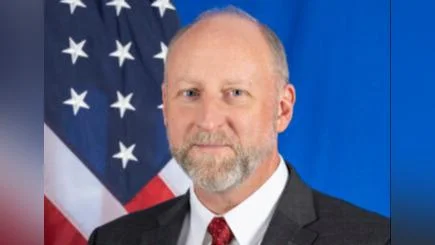
The United States has expressed concerns about the electoral process in Honduras, particularly regarding reports of interference and intimidation targeting the country’s National Electoral Council and Electoral Justice Tribunal. The remarks were delivered at a Special Meeting of the Organization of American States (OAS) Permanent Council on elections in Honduras.
U.S. representatives thanked Chile for convening the session and acknowledged co-sponsors for their engagement during what they described as a critical moment for democracy in Honduras.
The OAS Electoral Observation Mission and Secretariat have raised alarms about political pressure on Honduran electoral authorities. According to U.S. officials, “the OAS Mission has issued some of the strongest warnings in recent years regarding the autonomy and safety of electoral authorities in a member state.”
The Mission stated that Honduras must guarantee “the full independence and autonomy of the electoral authorities so they can focus on their technical work.” It also warned against ongoing pressure and interference.
Despite these calls, members of the National Electoral Council—responsible for running elections, tallying votes, and certifying winners—have reportedly faced intimidation and harassment. U.S. officials noted growing concern over events leading up to the election, stating that “it appears Honduras is already in crisis” with threats affecting council members and involvement by armed forces.
“The Council and its commissioners need to be able to do their jobs,” one official said, urging OAS members to act before elections take place: “Without your voices calling for a transparent process free of fraud and violence, I fear Honduras faces an uncertain future.”
The United States called on OAS members to collectively warn against meddling or interfering with election results. Officials stressed that elections must proceed as scheduled on November 30, with electoral officials allowed to perform their duties without outside interference. They also emphasized that legislative functions should be handled by the full Congress rather than a politically selected committee.
Further commitments sought from Honduran authorities included maintaining the independence of the National Electoral Council (CNE), ensuring only Congress engages in necessary electoral processes, restricting military involvement to safeguarding materials while remaining non-partisan, and requiring candidates not to claim victory prematurely.
“Let me be very clear: the United States supports the integrity of the democratic process in Honduras. The Honduran people must not be robbed of their opportunity to choose their next president and other authorities in elections free from fraud, whose results credibly reflect the will of the people,” stated U.S. officials.
These principles were described as foundational rather than partisan. The U.S. House Foreign Affairs Committee recently held a bipartisan hearing addressing concerns about Honduran elections.
Finally, officials highlighted that these efforts align with the Inter-American Democratic Charter’s affirmation that peoples across the Americas have a right to democracy—and governments are obligated to promote it.
To conclude, U.S. representatives addressed Hondurans directly: “Al pueblo de Honduras les dejo con este mensaje: les eschuchamos y estamos con Uds. Salgan todos a votar el 30 de noviembre para ser parte del future democratico del pais y del hemisferio. Muchas gracias, thank you.”