
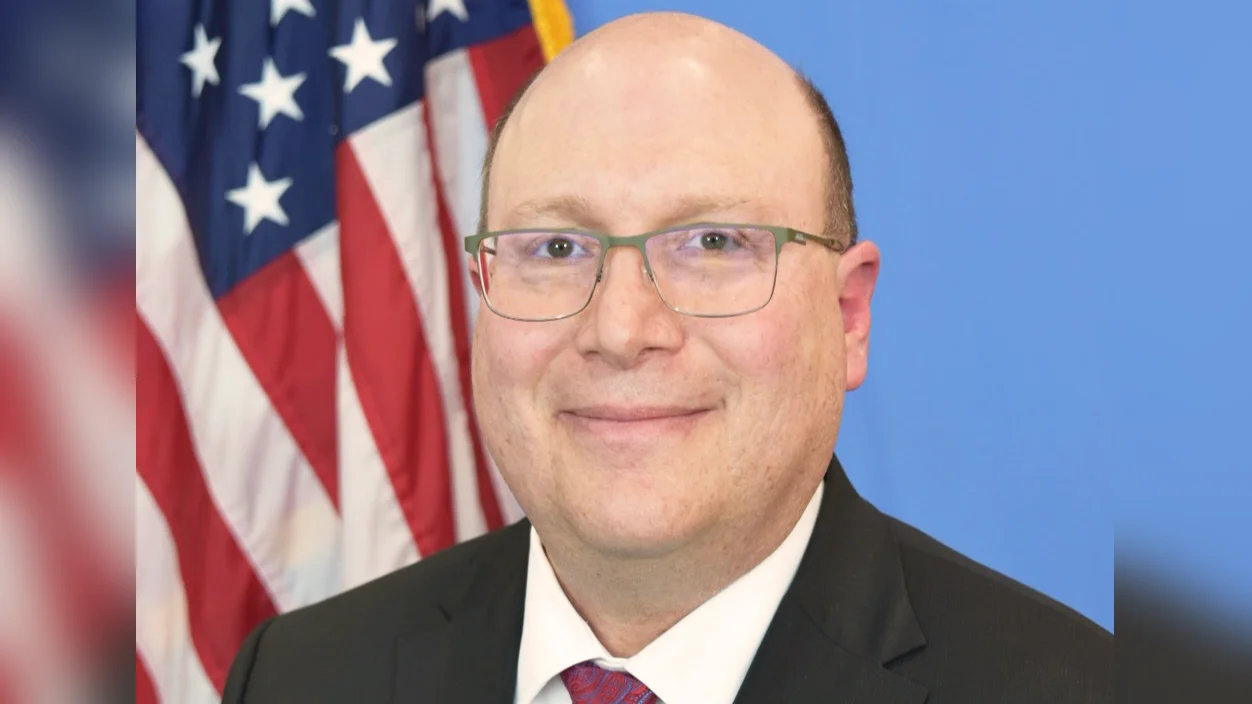
The United States has reaffirmed its support for the International Atomic Energy Agency’s (IAEA) Technical Cooperation Program, while raising concerns about certain aspects of recent project recommendations and policy directions. Speaking at the IAEA Board of Governors meeting in Vienna on November 19, Howard Solomon, Chargé d’Affaires, ad interim, delivered a statement on behalf of the U.S. delegation.
Solomon acknowledged the importance of the Technical Cooperation Program as "a vital pillar for advancing peaceful nuclear uses and supporting the NPT regime." He commended both the Secretariat and the Technical Cooperation Department for their work implementing assistance across various applications of nuclear science and technology.
The United States noted recommendations from an OIOS report aimed at improving project reporting and assessments based on need. The report also highlighted blended financing with international financial institutions as important for future projects.
Despite ongoing support for the program’s core mission, Solomon announced that the United States was calling for a vote on adopting the Technical Assistance and Cooperation Committee (TACC) report due to concerns over some included projects. According to Solomon, "Certain projects contained in the TC Program advance priorities that are inconsistent with U.S. policy and the OIOS report contains an unnecessary section on 'gender mainstreaming' that raises similar concerns." He added: "The United States strongly opposes the politicization of the IAEA’s work. We remain concerned about the IAEA’s work on politically driven agendas, such as those related to Sustainable Development Goals, gender, and climate change."
He emphasized that while recognizing environmental threats, practical protections such as disaster planning should be prioritized over what he described as "politically motivated climate agendas." Additionally, he called on self-sufficient countries—particularly those presenting themselves as major donors—to refrain from using limited resources meant for technical cooperation to benefit themselves rather than less-resourced nations.
Solomon clarified that today’s vote "should in no way be viewed as an indictment of the TC Program as a whole," stating: "the United States continues to support the TC Program and the TC Fund, and will continue to do so, so long as it addresses the concerns that we have articulated."
He announced a new U.S. pledge to contribute nearly $95 million in voluntary funds to the Agency in 2025. This includes a full payment of almost $28 million specifically allocated to the Technical Cooperation Fund. Solomon described this commitment as “a strong signal of our continued support,” reflecting recognition that technical cooperation is central to nonproliferation objectives by facilitating access to peaceful nuclear technologies.
Solomon concluded by underscoring that U.S. contributions may not be used for projects not supported by current U.S. administration policies: "We will continue to advocate for greater transparency in project funding and exercise strong oversight of U.S. contributed funds to ensure adherence to this request." He reiterated calls for keeping IAEA activities within its established mandate and avoiding divisive political agendas.