
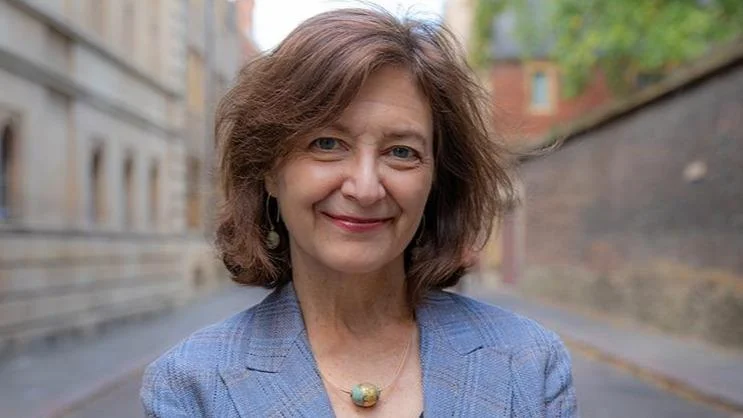
The upcoming COP30 climate summit has been described as "decisive" by Dr Joanna Depledge, a climate talks expert from Cambridge. Dr Depledge noted that the Brazilian hosts have earned broad respect for their approach to the negotiations. "There is also a reservoir of respect across the board for the Brazilian hosts, who have played it well so far. If anyone can pull it off, it is Brazil," she stated in an analysis posted on LinkedIn.
Education was highlighted as a key element in driving climate action. Professor Pauline Rose from the Cambridge Faculty of Education emphasized that education must be central to achieving climate justice. "Holding those responsible for the climate crisis accountable requires prioritising education policy reform in the Global South," Rose said. She added, "Such reform should elevate local and indigenous knowledge, centre the perspectives of teachers and students, and tackle the connections between conflict and climate.”
Discussions at COP30 included calls for increased ambition in funding education through climate finance mechanisms. Experts pointed out that rapid-response funding systems are needed when disasters disrupt schooling, with research from Ethiopia showing long-term negative impacts on life outcomes when education is interrupted by flooding.
Questions were raised about why education ministers do not regularly attend COP meetings, given both how crucial education is to addressing climate change and how vulnerable educational systems are to its effects.
The development of green skills was another major topic at side events during COP30. In 2025, only around 17% of workers globally had green skills, while demand for such expertise grew twice as fast as supply between 2023 and 2024. The Sustainable Business Green Jobs and Skills Working Group identified three main priorities: financing a human-centered transition; developing green and digital skills among current workers; and preparing future employees.
During a youth dialogue hosted by the Spanish Green Growth Group, participants questioned what qualifies as a green job versus potential greenwashing efforts by employers.
Sienna Bassi, a first-year engineering student at Cambridge attending her first COP event, spoke on a panel titled “Green Futures across the Commonwealth.” She remarked: “Companies and organisations giving opportunities and funding towards youth and education is an important investment for the future as well as now.”
The issue of misinformation was repeatedly addressed at COP30 sessions. The Brazilian presidency brought this concern into focus amid ongoing challenges posed by inaccurate or misleading information undermining progress toward global agreements like Paris 2015. UNESCO, Brazil’s government, and the UN launched the Global Initiative for Information Integrity on Climate Change in November 2024 with support from countries including the UK. One objective of COP30’s Action Agenda centers specifically on information integrity.
Christine Özden, Global Director of Climate Education at Cambridge University Press & Assessment (CUP&A), stressed opportunities for curriculum improvements: "Building skills including digital and media literacy and critical thinking, communication and research capabilities will all support this.” CUP&A organized one of ten events dedicated to navigating misinformation through educational systems.
Young people played an active role throughout COP30 discussions. Twenty-four young leaders shared their experiences—from representing Small Island Developing States to working on Mongolian grassland conservation—as part of ActNowFilm project interviews. Portuguese activist Mariana Gomes commented: “Young people aren’t given a seat at the table not because they don’t have the competence, but because they don’t have the power.”
These young leaders described hope rooted in concrete actions rather than optimism alone—a resolve to reduce suffering even if complete solutions remain elusive—and found inspiration among their peers’ dedication.