
Three American specialists from the U.S. Department of State’s English Language Fellows program led a training for 40 future Filipino teachers on Project-Based Learning (PBL), an educational approach common in the United States that centers on real-world problem-solving and hands-on projects.
The workshop, titled “Moving Ideas to Impact: A Project-Based Learning Design Workshop,” was held from October 22 to 26 in Batac, Ilocos Norte. It was organized by the U.S. Embassy in Manila’s Regional English Language Office (RELO) and Mariano Marcos State University (MMSU). The event aimed to introduce PBL as a student-centered teaching method based on American educational philosophy, emphasizing active learning connected to real-life situations.
During the five-day workshop, participants learned practical methods aligned with American education standards. The goal was to help these pre-service teachers move away from traditional lecture-based instruction toward more innovative classroom environments that foster research, analysis, creativity, collaboration, and curiosity among students.
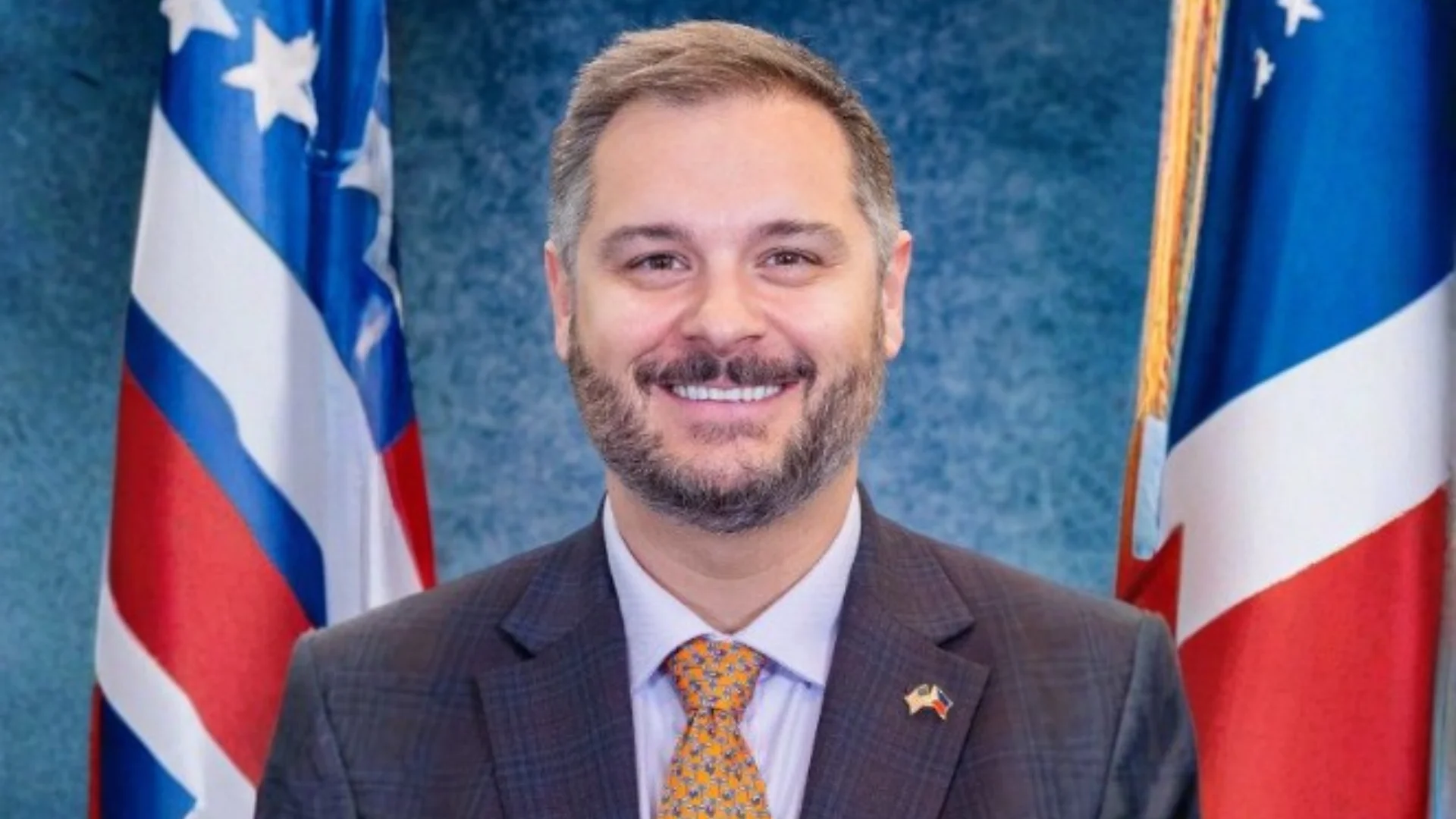
“The success of this workshop is a clear demonstration of our nations’ shared dedication to building educational excellence,” said U.S. Embassy RELO Officer Jeff McIlvenna. “By investing in these 40 pre-service teachers, we are strengthening our bilateral ties and ensuring that American innovations in education, like PBL, will multiply across Filipino classrooms and help improve learning among young Filipinos.”
Each teacher developed a Community-Connected PBL Blueprint by the end of the training—a unit plan designed for implementation within their local communities to address specific challenges or opportunities.
“Each participant leaves as a ‘multiplier of knowledge’ who will shape their own institutions, preparing the next generation to be globally competitive and community-engaged citizens,” McIlvenna added. “This focus on immediate, tangible impact ensures the teachers’ newly acquired skills are applied directly to address needs in the Philippine educational system and the local community.”
The initiative is part of ongoing efforts between the United States and the Philippines ahead of major anniversaries for both countries—the 80th anniversary of diplomatic relations and the upcoming 250th anniversary of U.S. independence in 2026. Programs like this highlight education as an important aspect of cooperation between both nations through English language development and improved communication skills for future educators.