
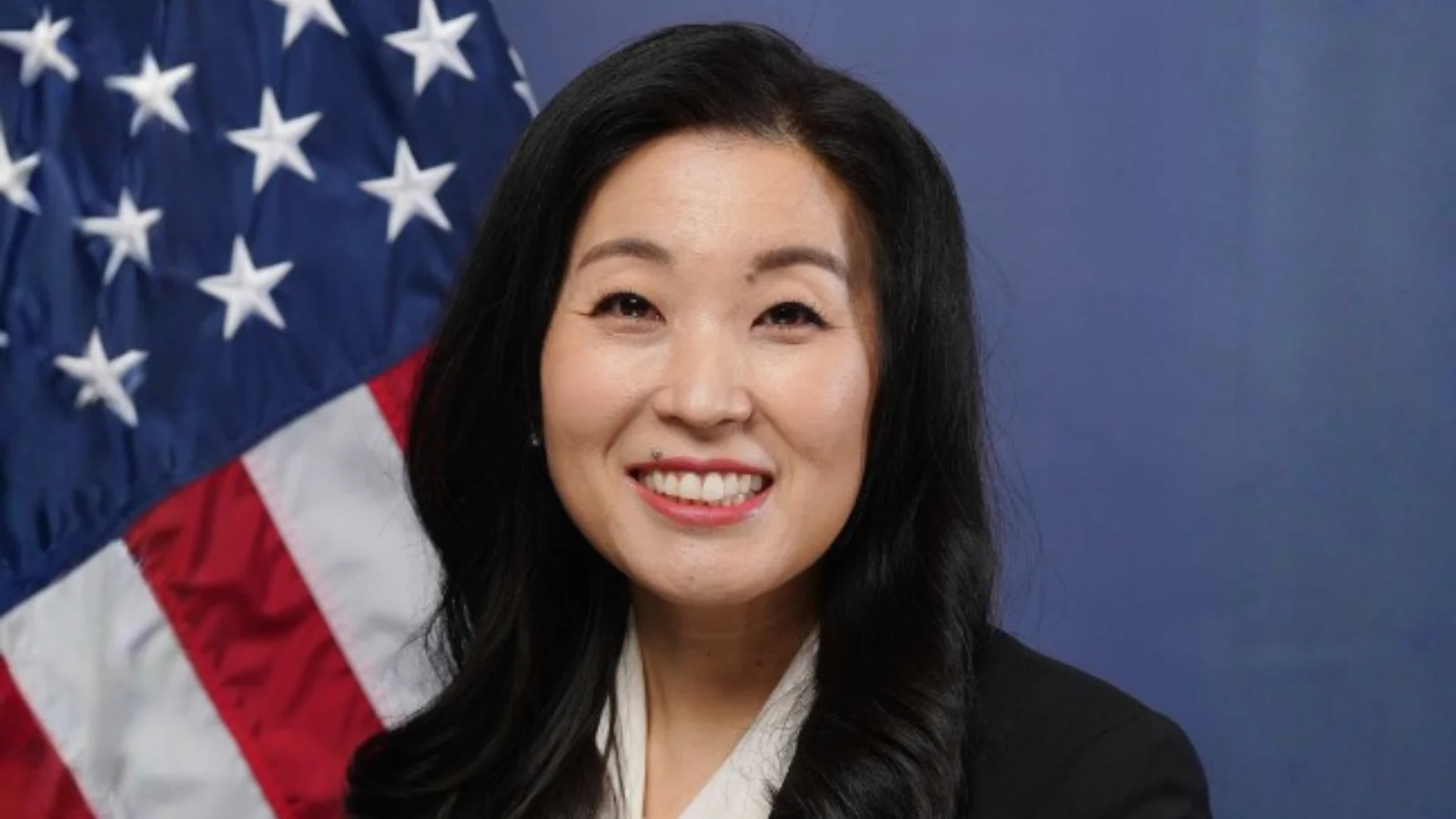
The G7 Foreign Ministers, along with the High Representative of the European Union, convened in Niagara under Canada's presidency on November 11-12, 2025. The meeting included participation from the foreign ministers of Brazil, India, Saudi Arabia, Mexico, South Korea, South Africa, and Ukraine. Discussions focused on issues such as maritime security, critical minerals, economic resilience, and energy security.
On Ukraine, the G7 reaffirmed support for its territorial integrity and sovereignty. The group called for an immediate ceasefire and stated that any negotiations should start from the current line of contact. They also reiterated their commitment to preventing changes to international borders by force. Measures are being considered against countries and entities aiding Russia's war efforts financially. The statement condemned military assistance to Russia from North Korea and Iran as well as weapons supplies from China. Ongoing discussions include options for leveraging immobilized Russian sovereign assets to support Ukraine.
Regarding the Middle East, the ministers expressed strong support for President Trump's Comprehensive Plan to End the Gaza Conflict and welcomed both a ceasefire and hostage releases. They emphasized the need for unimpeded humanitarian aid through organizations like the United Nations and Red Crescent. The group called on all parties to engage constructively toward peaceful coexistence between Israelis and Palestinians.
The statement urged Iran to fulfill obligations under UN Security Council resolutions and nuclear non-proliferation treaties while calling for renewed cooperation with international inspectors. Direct talks between Iran and the United States were encouraged.
On Indo-Pacific security issues, participants highlighted their opposition to unilateral attempts to change regional status quos by force or coercion—specifically referencing tensions in the East China Sea and South China Sea—and supported Taiwan’s participation in international organizations. Concerns were raised about China's military expansion as well as North Korea’s nuclear activities.
In relation to Haiti, ministers stressed contributions needed for implementing UNSC Resolution 2793 and welcomed a new Regional Maritime Security Initiative aimed at combating organized crime in Haiti and the Caribbean.
For Sudan, recent violence was condemned—particularly attacks by Rapid Support Forces against civilians—and calls were made for a permanent ceasefire alongside improved humanitarian access.
The ongoing conflict in eastern Democratic Republic of Congo (DRC) drew concern over human rights violations; all parties were urged to protect civilians and commit to peace processes aligned with existing agreements.
Migration was discussed as a challenge linked closely with conflict-induced instability affecting global development opportunities; it will be addressed further at future meetings.
Maritime security remains a key focus area with commitments reaffirmed regarding principles set out in prior declarations such as those adopted earlier this year in Charlevoix. Efforts continue against sanctions evasion via unregistered vessels engaged in illicit activities.
Finally, on economic resilience and critical minerals supply chains, G7 members agreed on initiatives aimed at reducing dependencies while promoting innovation-driven partnerships beyond their bloc boundaries. They voiced concerns over market distortions caused by non-market policies impacting critical minerals trade but noted positive developments following recent U.S.–China discussions discouraging policy barriers that could disrupt predictable trade flows.