
KfW Group reported an increase in new commitments to EUR 61.4 billion for the first nine months of 2025, representing a 14% rise compared to the same period last year. The organization attributed this growth primarily to strong demand from small and medium-sized enterprises (SMEs) for financing projects related to climate, environment, and innovation, which more than doubled to EUR 11.1 billion.
Private customers also showed heightened interest in energy-efficient building programs, with funding requests totaling EUR 8.1 billion—a 53% increase over the previous year. The "Renewable Energies – Standard" program saw commitments reach EUR 6.7 billion.
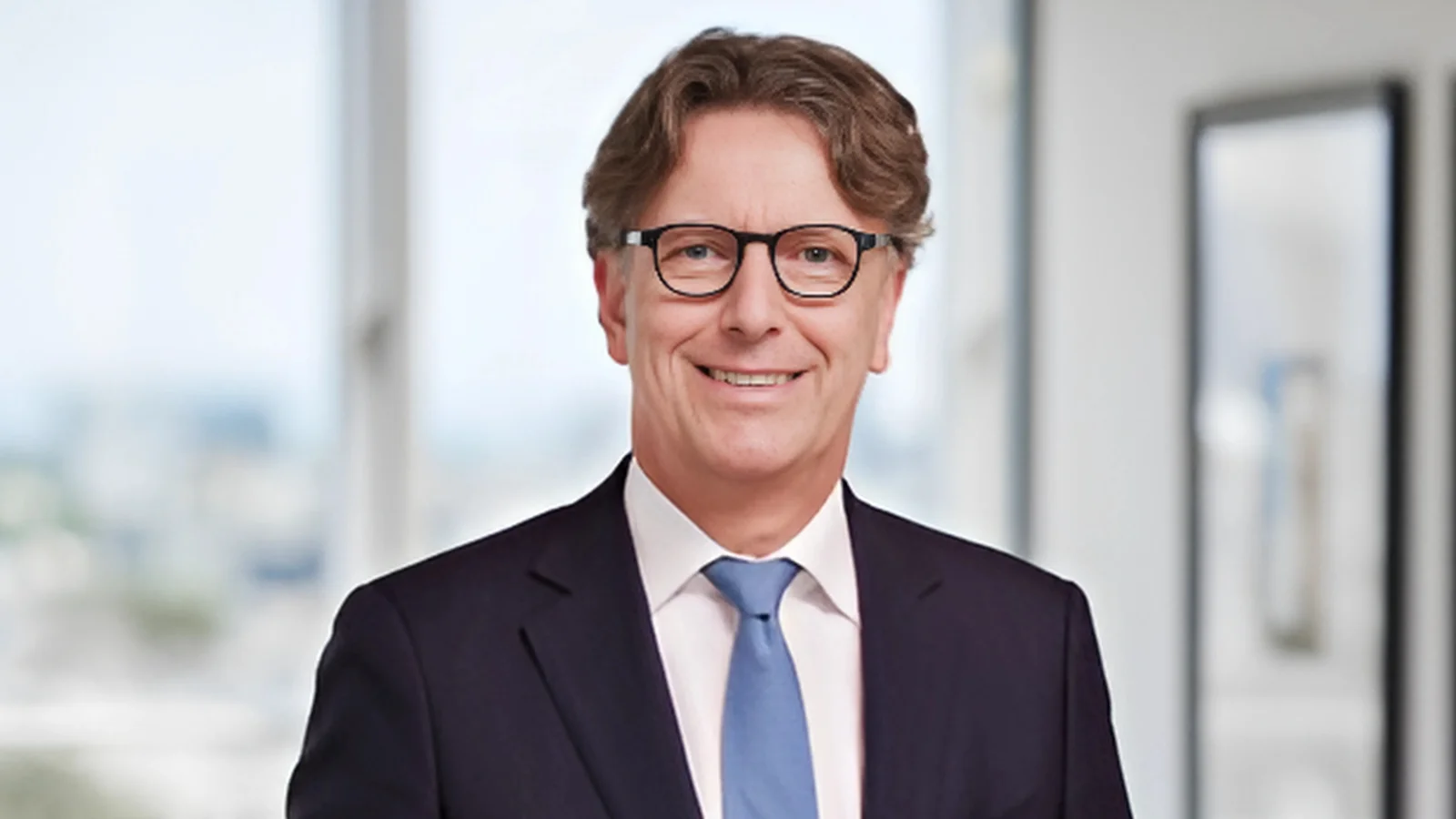
Stefan Wintels, Chief Executive Officer of KfW, commented on the results: “The sharp increase in demand for KfW promotion for climate, environmental and innovation projects is an encouraging sign. SMEs are investing in key lines of business for the future. This strengthens their long-term competitiveness and makes a significant contribution to securing jobs and growth in Germany.”
In export and project finance, new business amounted to EUR 16 billion but was below last year's unusually high figure of EUR 19.2 billion. Commitments by KfW Development Bank increased to EUR 3.7 billion, while DEG committed around EUR 0.9 billion.
KfW's promotional expense in domestic business rose to EUR 325 million due to higher interest rate reductions for new initiatives focused on start-ups, corporate investments, innovation, energy efficiency, and renewable energies.
Discussing profitability and support measures during uncertain times, Wintels stated: “Despite the current challenging circumstances, both the operating and economic result proved to be robust. This strengthens KfW’s profitability, which we need in order to effectively support the economy, municipalities and private customers.” He added: “This year, we are improving the terms of our promotion with around EUR 500 million from our own funds.”
Operating income reached EUR 2.67 billion; net interest income stood at EUR 2.17 billion; net commission income was EUR 498 million; administrative expenses before promotional expense were at EUR 1.22 billion.
However, consolidated profit dropped significantly from last year's figure—EUR 647 million compared with EUR 1.28 billion previously—mainly due to adverse valuation results influenced by global market volatility and risk provisioning increases linked to economic uncertainties.
Total assets remained steady at approximately EUR 546.6 billion as higher liquidity holdings offset a reduction in lending volume resulting from repayments in coronavirus-related programs and energy supplier credit lines.
KfW maintained strong regulatory capital ratios with a total capital ratio of 28.7% at the end of September.
Within specific sectors:
- SME Bank commitments nearly doubled year-on-year across all priority areas.
- Private Clients segment saw continued growth in energy efficiency funding.
- Customised Finance and Public Clients experienced increased commitments for municipal infrastructure.
- KfW Capital maintained stable venture capital activity with a well-stocked investment pipeline.
- Export finance supported sectors such as mobility (rail traffic, maritime industries), including projects like wind farms in Turkey.
- In development finance, KfW Development Bank's largest single loan was a EUR 500 million commitment supporting South Africa’s energy transition under Germany’s partnership with JETP.
- DEG focused on supporting private investments across Latin America, Europe/Caucasus region, Africa, Asia and supra-regional projects.
On financial markets activity between January and September this year, KfW raised about EUR 67.1 billion internationally—close to its annual target—with green bonds accounting for nearly one-fifth of this amount.