
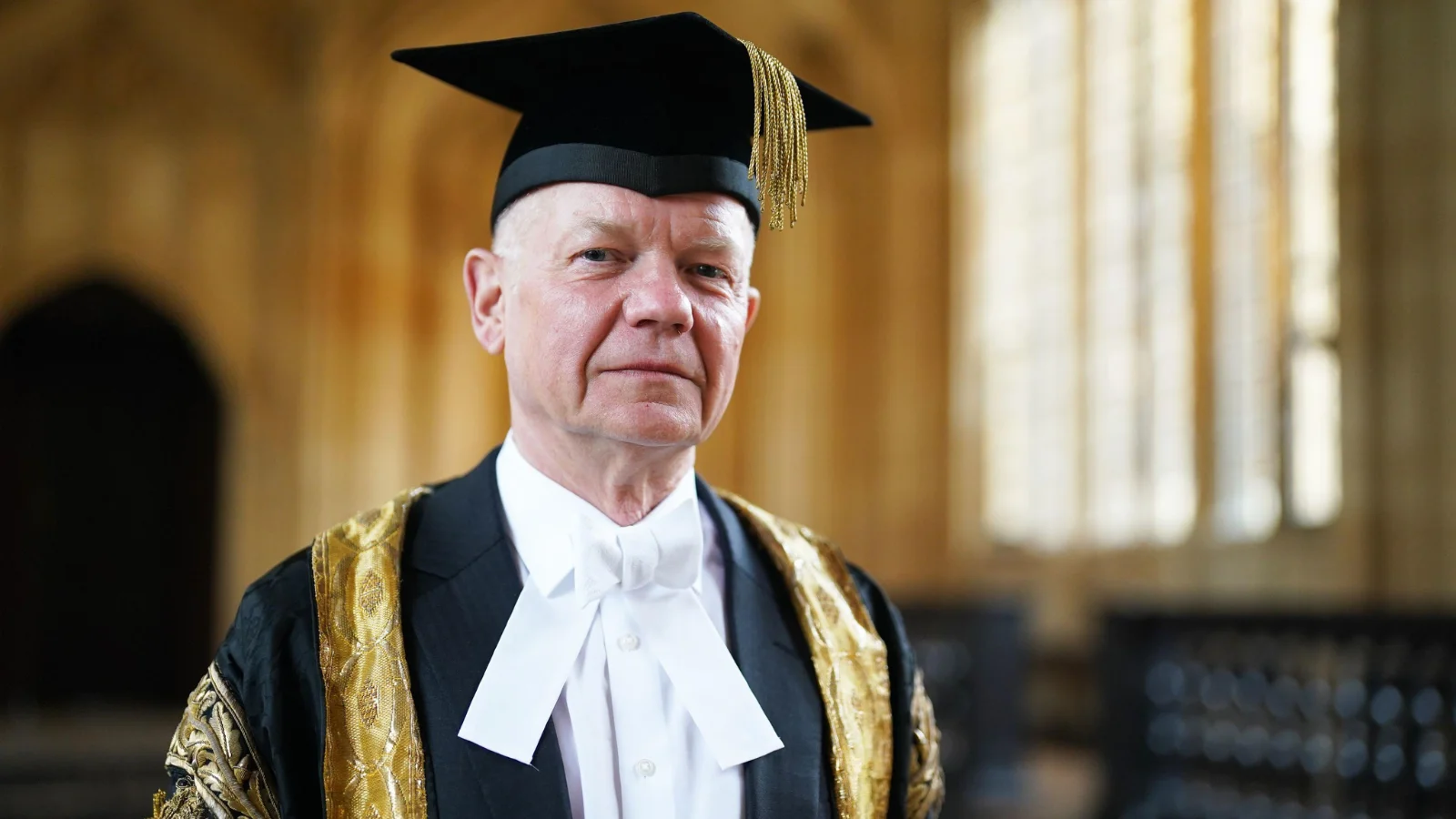
The global financial system is facing increasing uncertainty as the dominance of the US dollar comes under pressure, according to Dennis Snower, an International Research Fellow at the University of Oxford's Saïd Business School and Professorial Research Fellow at The Institute for New Economic Thinking at the Oxford Martin School. Snower argues that recent developments in US fiscal and monetary policy have weakened key foundations supporting the dollar’s role as the world’s primary reserve currency.
"For decades, America’s 'exorbitant privilege' has allowed it to borrow cheaply, finance deficits without fear, and print money without stoking inflation. Foreign governments willingly held US Treasuries, trusting that they were the world’s safest asset. That trust underpinned the entire global financial order," Snower said.
He outlined six pillars required for a reserve currency: macroeconomic stability, liquid financial markets, central bank independence, capital mobility, rule of law, and geopolitical trust. "The current US administration has weakened every one of them," he stated.
Snower cited rising debt and deficits due to tax cuts without spending restraint, shaken market confidence from repeated debt-ceiling standoffs, diminished Federal Reserve independence through political pressure on central bankers, use of dollar access as a political tool against rivals and allies alike, perceived erosion in rule of law through executive actions on foreign assets and tariffs, and reduced geopolitical trust following an “America First” approach to international institutions.
"A realignment away from the dollar is unlikely to happen smoothly. It would erupt like a financial tsunami. Investors would dump US Treasuries, yields would soar, and the dollar would plunge. Central banks would scramble into euros, yuan, or gold," Snower warned.
He also highlighted that no other currency or asset currently has the capacity to absorb funds parked in dollar-denominated assets. The eurozone lacks unified fiscal policies; China’s markets remain tightly controlled; safe-haven economies are too small; even gold and IMF Special Drawing Rights offer limited scale.
Digital currencies add further complexity. Stablecoins pegged to dollars hold significant amounts in short-term Treasuries—posing liquidity risks if mass redemptions occur—and central bank digital currencies could create parallel payment systems outside traditional networks like SWIFT. "Cryptocurrencies also empower the 'grey economy' - facilitating sanctions evasion, illicit trade, and tax avoidance - further eroding the dollar’s central role in the shadow financial system," he added.
If confidence in the dollar collapses suddenly rather than gradually, Snower predicts global capital flows will fragment along geopolitical lines rather than market efficiency. Developing countries may face higher borrowing costs and unstable exchange rates while international institutions such as the IMF or World Bank could struggle with crisis management amid a lack of coordination.
"The dollar’s fall is not just an American problem - it’s a global one. The privilege may be America’s, but the stability it provides belongs to everyone," Snower emphasized.
He concluded by urging renewed international cooperation on fiscal responsibility and digital currency governance instead of nationalist retrenchment: "The real question is not whether America can keep its privilege, but whether the world can avoid a financial system built on distrust and division."
Snower holds additional roles as founding President of the Global Solutions Initiative and President Emeritus of the Kiel Institute for the World Economy.